
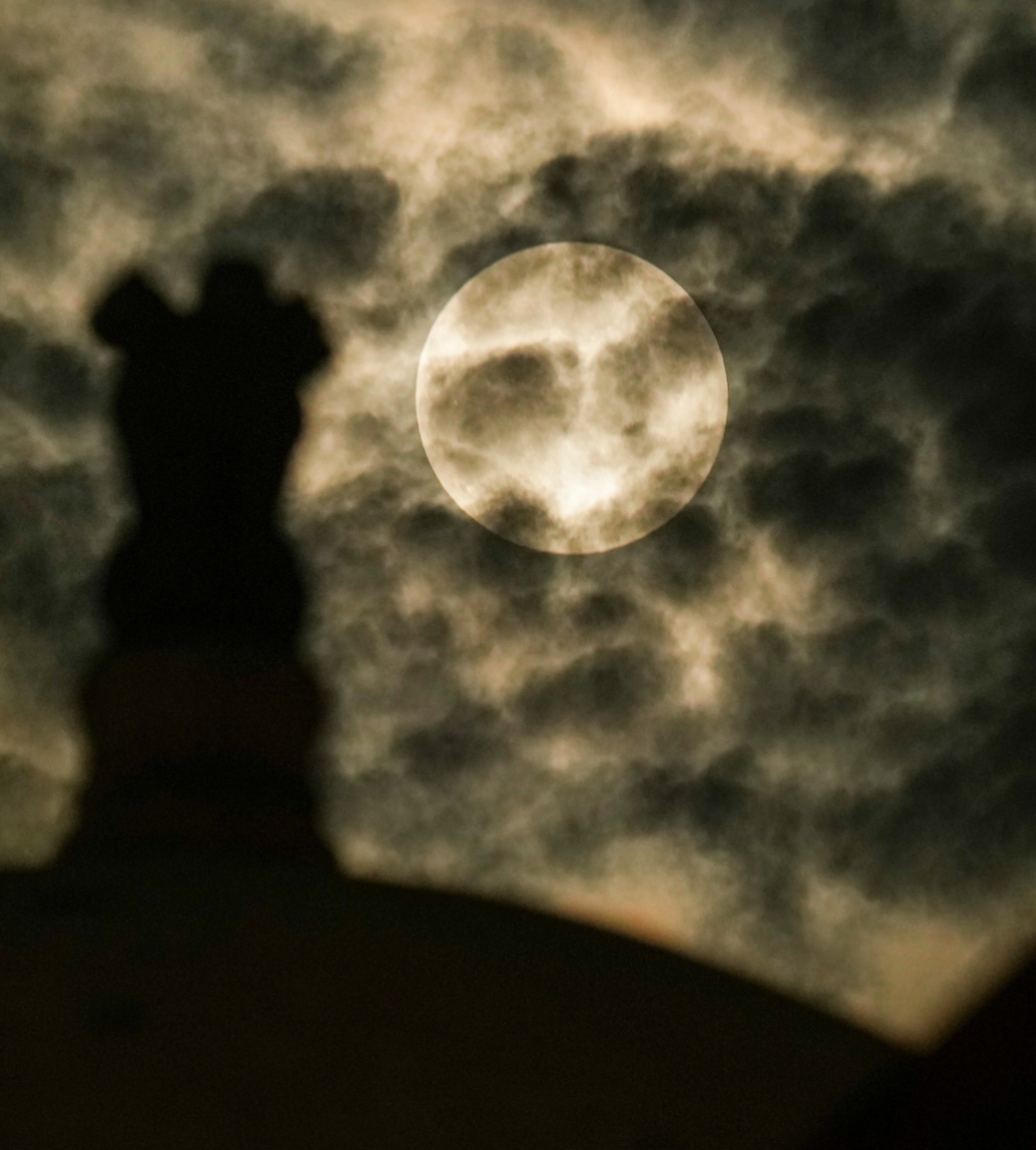
Blood Moon Total Lunar Eclipse: A Celestial Wonder
Lunar eclipse is a wonderful astronomical event and today the whole country witnessed it. The lunar eclipse started at around 9:58 pm and ended at 1:26 am on the night of 8 September. This wonderful event of 82 minutes was seen from most parts of the country. This lunar eclipse was visible in most parts of India, so the enthusiasm of the people towards it remained intact.
A lunar eclipse is the astronomical phenomenon when the Moon passes directly behind the Earth and enters its shadow
Table of Contents
What is a Total Lunar Eclipse?
A lunar eclipse occurs when the Earth comes directly between the Sun and the Moon, blocking sunlight from reaching the lunar surface. A total lunar eclipse happens when the entire Moon passes through the Earth’s umbra, the darkest part of its shadow. Unlike a solar eclipse, a lunar eclipse is safe to watch with the naked eye and can be visible over a large part of the Earth’s surface.
Lunar eclipse is a wonderful astronomical event and today the whole country witnessed it. The lunar eclipse started at around 9:58 pm and ended at 1:26 am on the night of 8 September. This wonderful event of 82 minutes was seen from most parts of the country. This lunar eclipse was visible in most parts of India, so the enthusiasm of the people towards it remained intact.
A lunar eclipse is the astronomical phenomenon when the Moon passes directly behind the Earth and enters its shadow.
Phases of the Eclipse
1. Penumbral Phase
. This can only happen when the Sun, Earth and Moon are in a straight line in this order. Because of this geometric restriction, a lunar eclipse can only occur on a full moon.
Partial Eclipse
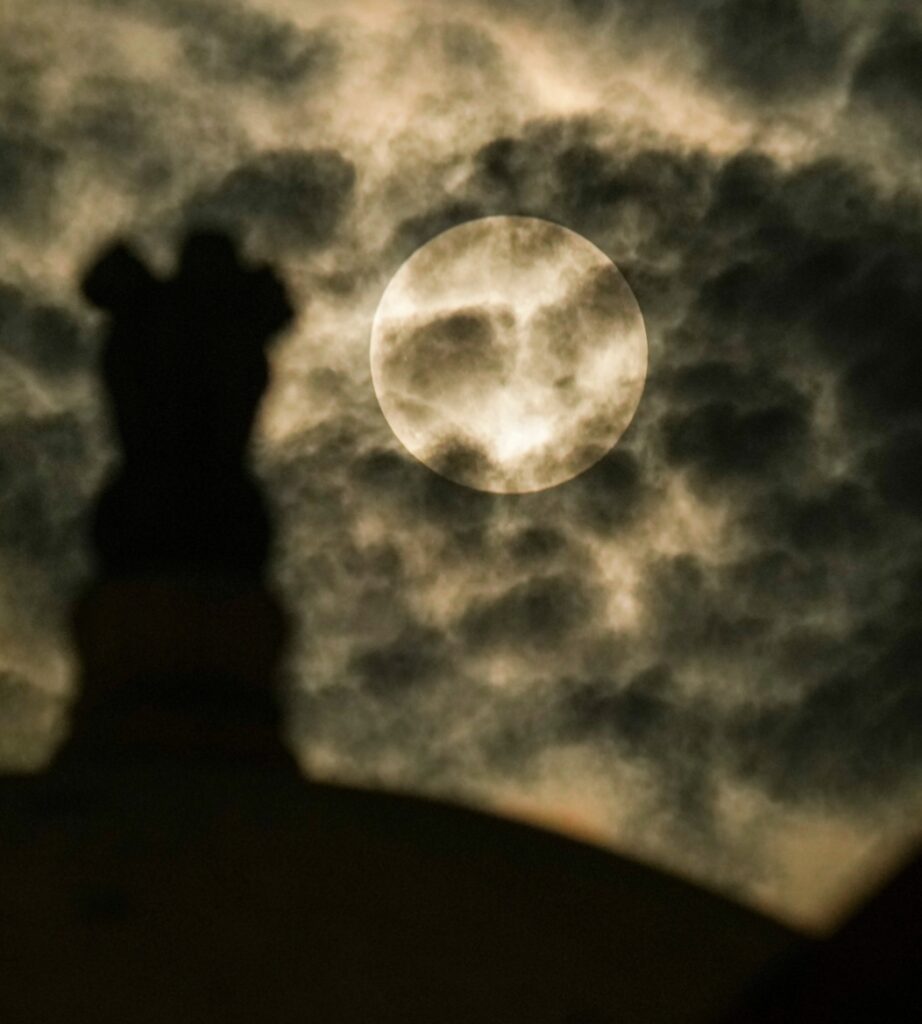
. The type and duration of a lunar eclipse depend on the position of the Moon relative to the lunar nodes. This form of the Moon is also called a ‘blood moon After the eclipse begins, the Moon first turns black and then slowly turns bright red.
3.Total Eclipse (Blood Moon)
. Unlike a solar eclipse, which is visible only from a relatively small area of the Earth, a lunar eclipse can be seen from anywhere on the night side of the Earth. While a solar eclipse is visible from any location for only a few minutes due to the smallness of the Moon’s shadow, a lunar eclipse
4. Ending Phases
.lasts for a few hours. Additionally, a lunar eclipse, unlike a solar eclipse, can be viewed without any special eye protection, because the brightness of a lunar eclipse is less than that of a full moon.Top of Form
Frequency and Visibility
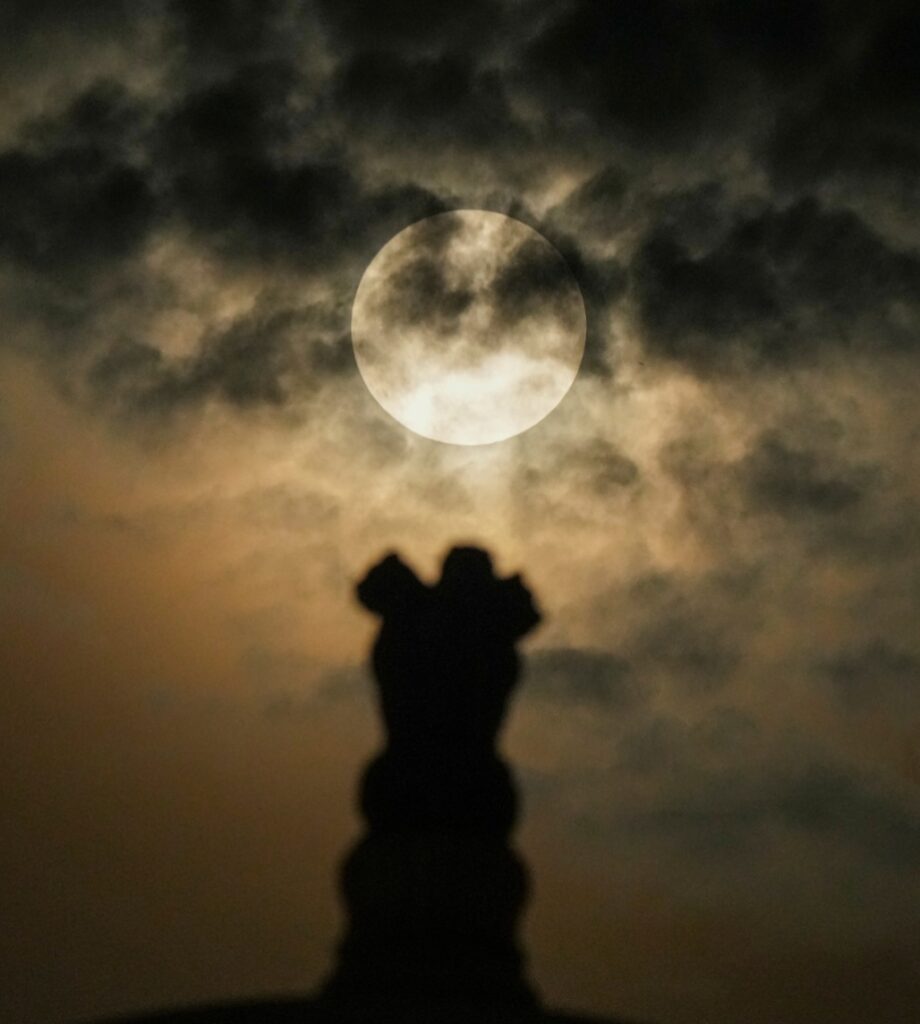
Total lunar eclipses are not very common. On average, they occur once every 2 to 3 years. However, not everyone on Earth can see each one. The visibility depends on your location, weather conditions, and the timing of the eclipse. Unlike solar eclipses, which can only be seen from a narrow path, lunar eclipses can be observed by anyone on the nighttime side of Earth.
- Asia,
Australia, and Africa — full visibility - Europe
— partial views, particularly at moonrise - Western
parts of North America (Alaska) and eastern South America
Asia, Africa,
Europe, and Australia . India
Summary Table
Aspect | Details |
What | Total lunar eclipse (“Blood Moon”) |
Date | Night of September 7–8, 2025 |
Totality | ~82 minutes of deep red lunar glow |
Visibility | Full in Asia, Australia, Africa; partial in Europe; |
Cultural Note | Held spiritual importance in India (Chandra Grahan) |
Scientific & Astrological Impact | Atmospheric refraction causes red hue; emotional and |
Top of Form
Bottom of Form
Conclusion
.The term eclipse is often used to describe a solar eclipse, when the shadow of the Moon crosses the Earth’s surface, or a lunar eclipse, when the Moon moves into the Earth’s shadow. However, the meaning of an eclipse is not limited to the Earth–Moon system: for example, another planet moving into the shadow of one of its moons, or a moon of a planet passing through the shadow of its planet, or a moon passing through the shadow of another moon. A double star system can also produce an eclipse if the plane of the orbit of its stars is in line with the viewer.